
The Sundarban 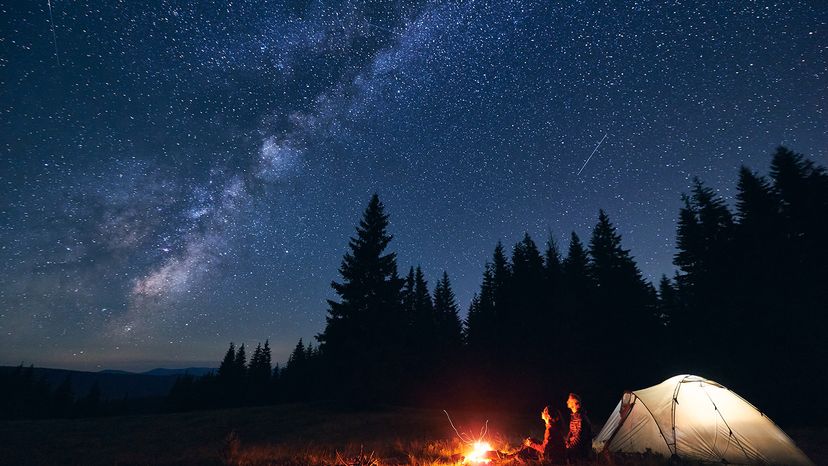
You would no longer be in a situation to jam blue stars with your bare inspect, nor distinguish a important individual’s outer layers with a standard telescope. There might be lots happening in the night sky that it’s likely you’ll perchance perchance almost definitely also’t gaze with out extremely in fact professional equipment. anatoliy_gleb / Shutterstock
In case you inspect up on the night sky, you’re seeing upright a shrimp sample of the incredible diversity of the kinds of stars in the universe. These cosmic powerhouses attain in wildly completely different sizes, colors and life phases, every powered by nuclear fusion in its core.
The diversifications aren’t upright for point to; a important individual’s mass, temperature and age determine how it runs through its life cycle.
1. Supergiant Stars
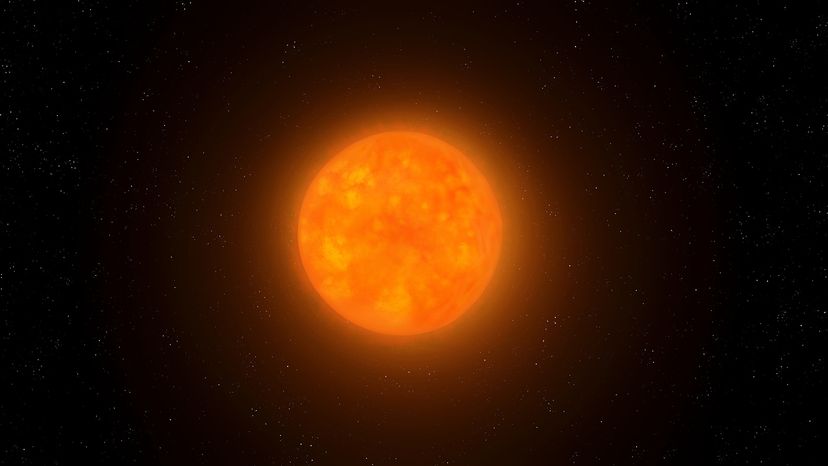
Crimson supergiant important individual. Nazarii Neshcherenskyi / Getty Photography
These are amongst valuable stars in the universe, with essentially the most massive ones reaching as much as around 200 to 300 instances the Sun’s mass.
Outward radiation tension from nuclear fusion in the core is balanced against the inward pull of gravity till the important individual’s gas is exhausted.
Primarily the most massive stars can finish their lives as stellar mass dusky holes. Crimson supergiant stars like Betelgeuse are incandescent, huge beacons in the Milky Method.
2. Massive Stars
Extra massive stars burn throughout the total fusion reactions sooner than their smaller cousins. O-kind stars and B-kind stars plunge in this class, blazing blue with surface temperatures some distance hotter than a G-kind important individual like the Sun.
When a large important individual collapses, it’s going to gain either a neutron important individual or such an object as a dusky hole.
3. Main Sequence Stars
Most stars exercise the majority of their lives on the main sequence. Here, inward gravity is completely balanced by outward gentle tension from nuclear fusion in the core. Here is where younger stars settle after forming in an infinite molecular cloud.
4. Crimson Massive Stars
When low-mass stars bustle out of hydrogen in their cores, they swell into crimson giants. Their outer layers expand while fusion reactions shift outward. This stage can end result in a planetary nebula, leaving behind a white dwarf.
5. White Dwarfs
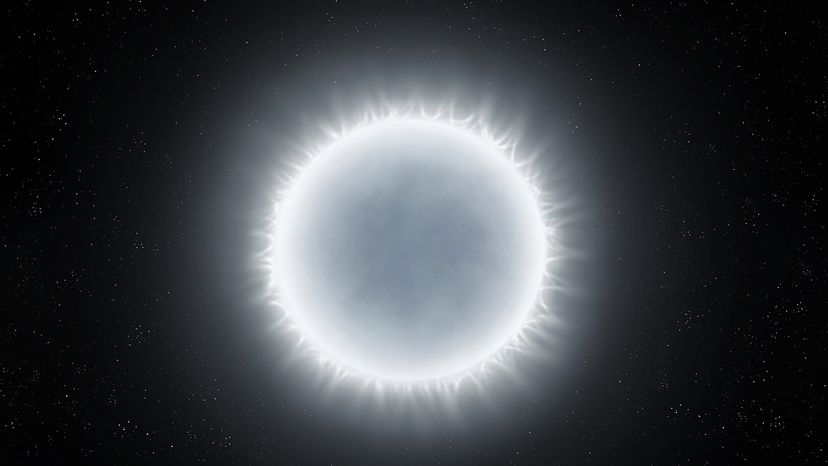
White dwarf. Nazarii Neshcherenskyi / Getty Photography
A white dwarf shines even with out fusion; it’s the leftover core of a important individual like the Sun after the outer layers waft into house.
Over billions of years, it cools into a dusky dwarf, though the universe isn’t former ample for any to exist but.
6. Neutron Stars
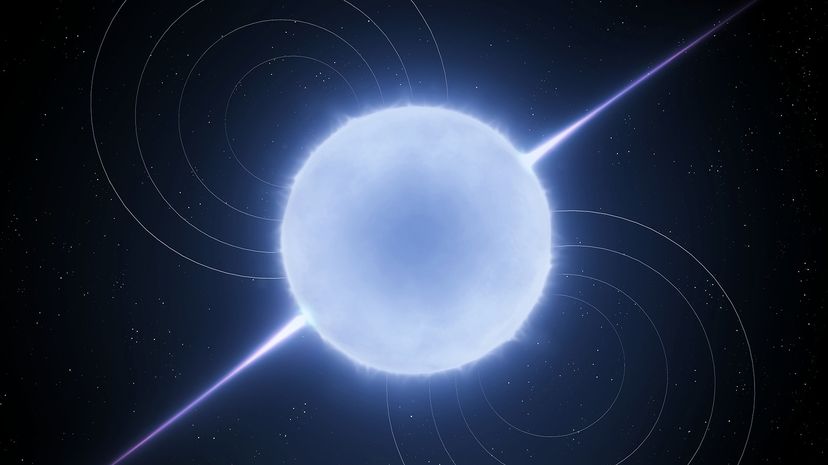
Neutron important individual. Nazarii Neshcherenskyi / Getty Photography
When a large important individual’s life ends and it collapses, the inward crush is so intense that a neutron important individual crushes protons and electrons into neutrons.
These objects pack more mass than the Sun into a sphere upright 12.4 miles (20 km) across. In some conditions, they’re stumbled on in a binary important individual machine with another important individual.
7. Brown Dwarfs
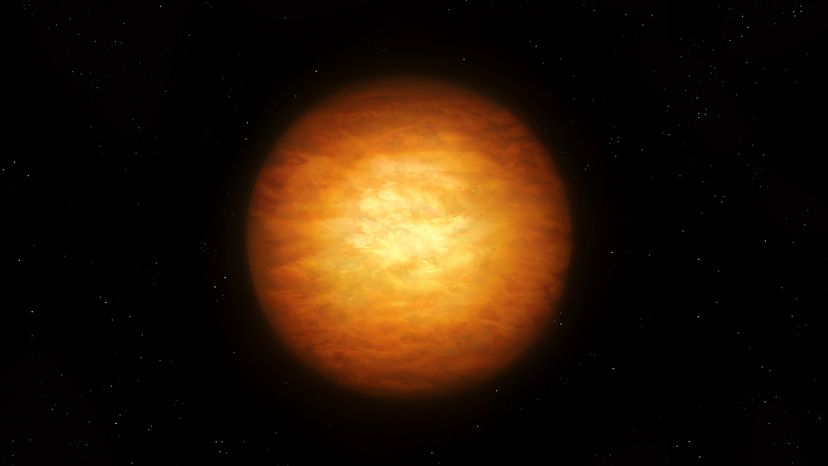
Brown dwarf. Nazarii Neshcherenskyi / Getty Photography
Generally known as “failed stars,” brown dwarfs occupy too dinky mass to begin the total fusion reactions of a factual important individual. They are able to gathered glow faintly in seen gentle for hundreds of thousands of years.
8. Pre-Main Sequence Stars
In full of life important individual-forming regions, a younger important individual like a T Tauri important individual hasn’t but reached the main sequence. It gathered resembles main sequence stars in look but hasn’t begun normal hydrogen fusion.
9. Binary and Double Stars
Many stars make as half of a binary important individual or double important individual machine, orbiting a standard center of mass. These pairings might perchance additionally be fetch or end result in dramatic mass transfers between stars.
10. Developed Stars
This fetch-all term covers stars in later life phases—from incandescent huge stars to crimson giants and supergiants—after they’ve exhausted core hydrogen. Their paths count on their original stellar mass, which determines whether they finish as white dwarfs, neutron stars or dusky holes.
We created this text in conjunction with AI technology, then made certain it turned into once reality-checked and edited by a HowStuffWorks editor.